
Stage 01
Slab
Once external drainage is complete, before the frame is delivered.
- Initial backblade if needed
- Waste concrete, reo and mesh removed
- Front of the site levelled
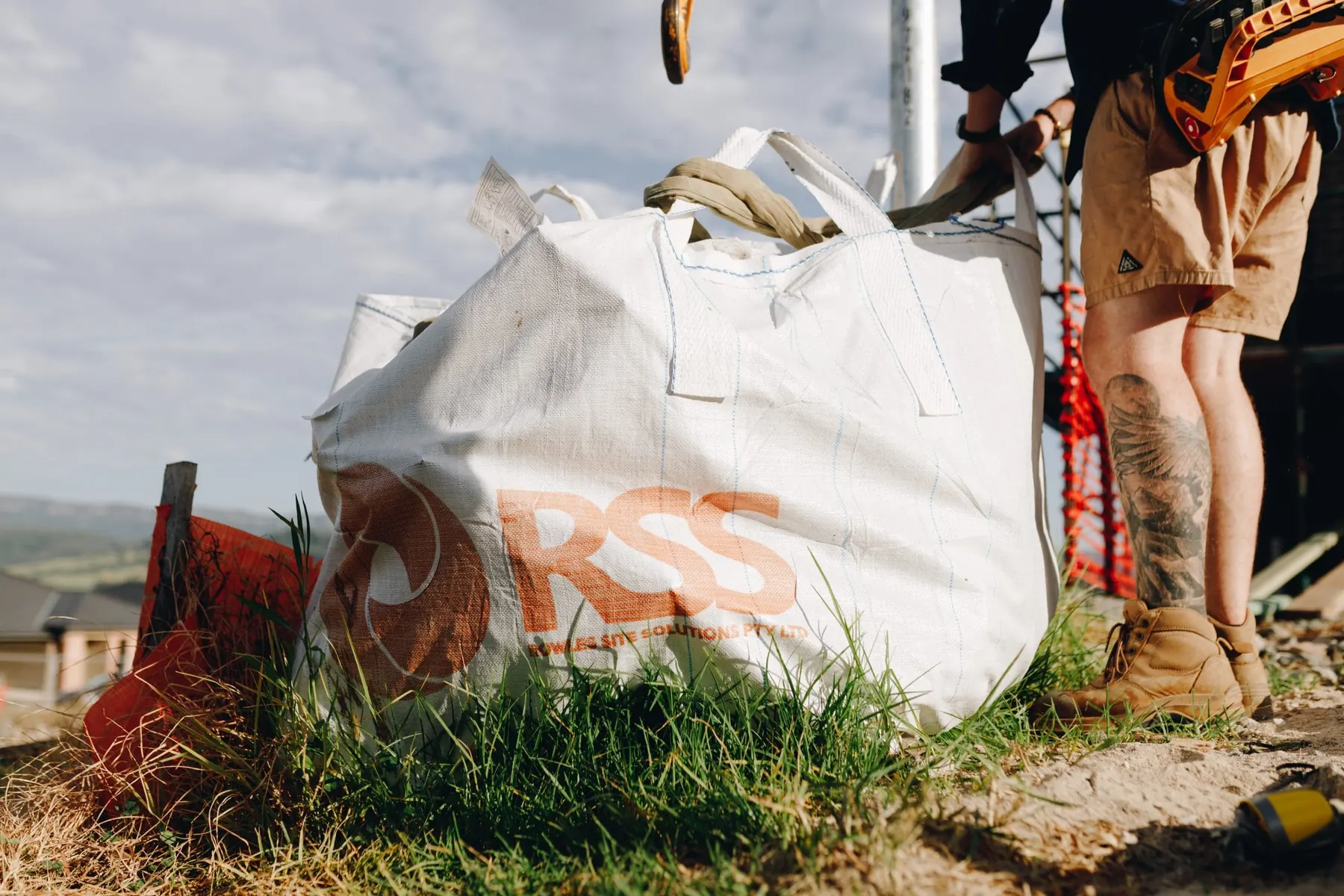
Bag First general waste bag set up
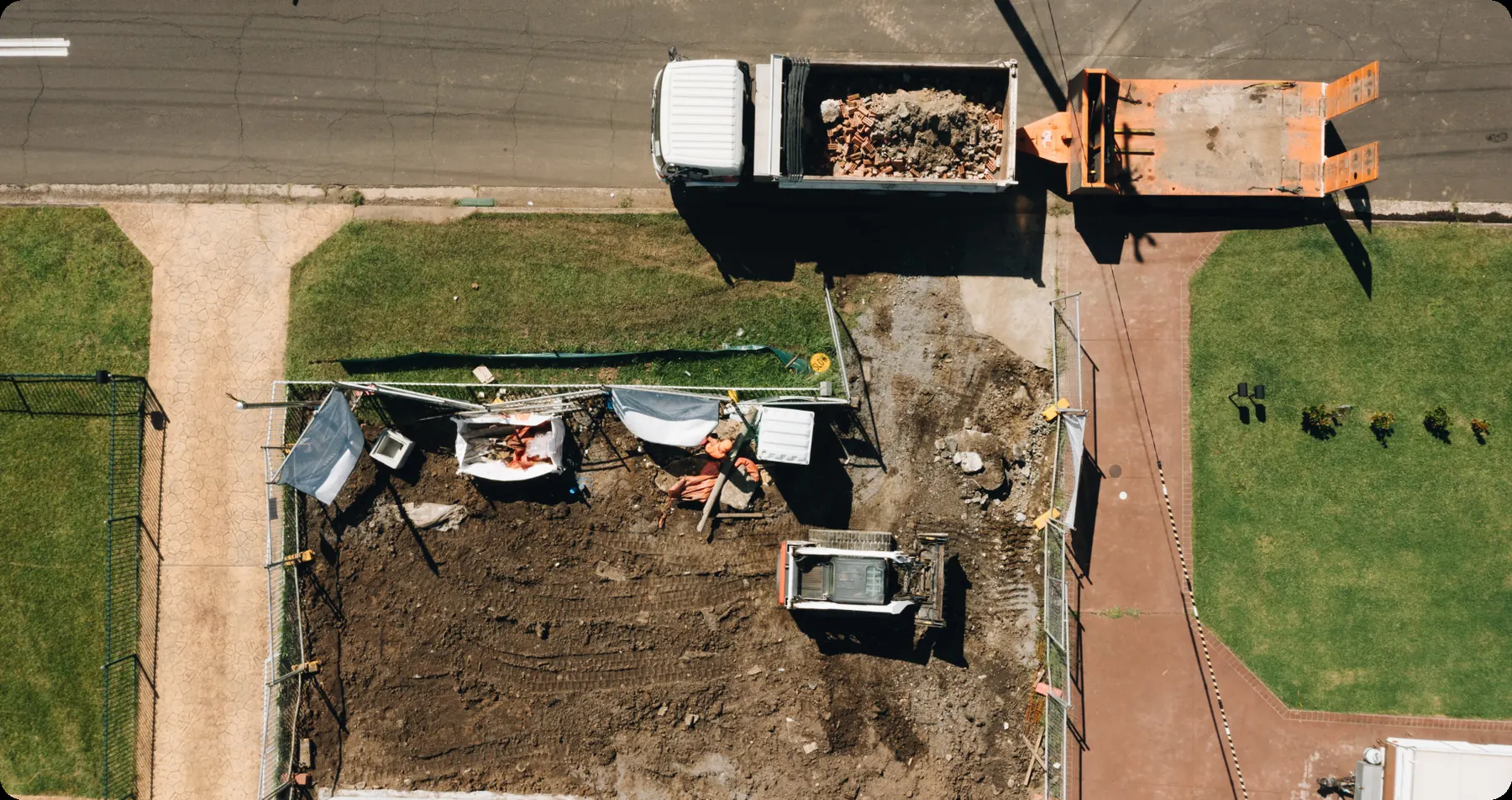
It starts with a simple conversation, then an initial clean, a hazard assessment and the first bags. We come back after every stage, and nothing is left for the next trade to trip over.
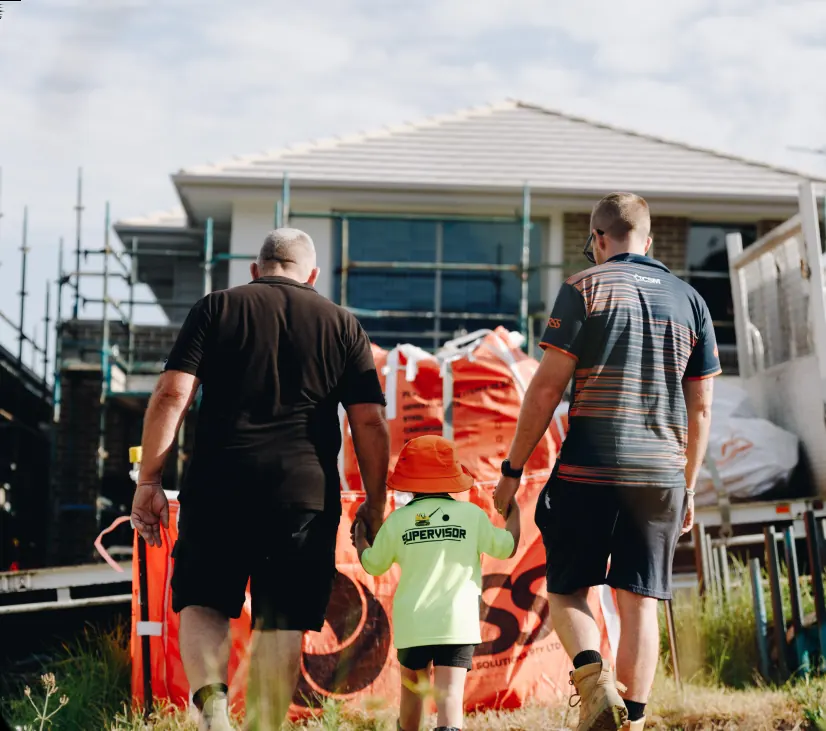
Getting started
It starts with a conversation. Send us your site plans and the purchase orders for the job, matching your pricing schedule, so the allowances for waste and brick bags are set before we arrive.
We need at least three days' notice to schedule a job. Urgent jobs are possible; a call-out fee may apply.
Stage 01
Once external drainage is complete, before the frame is delivered.
Bag First general waste bag set up
Stage 02
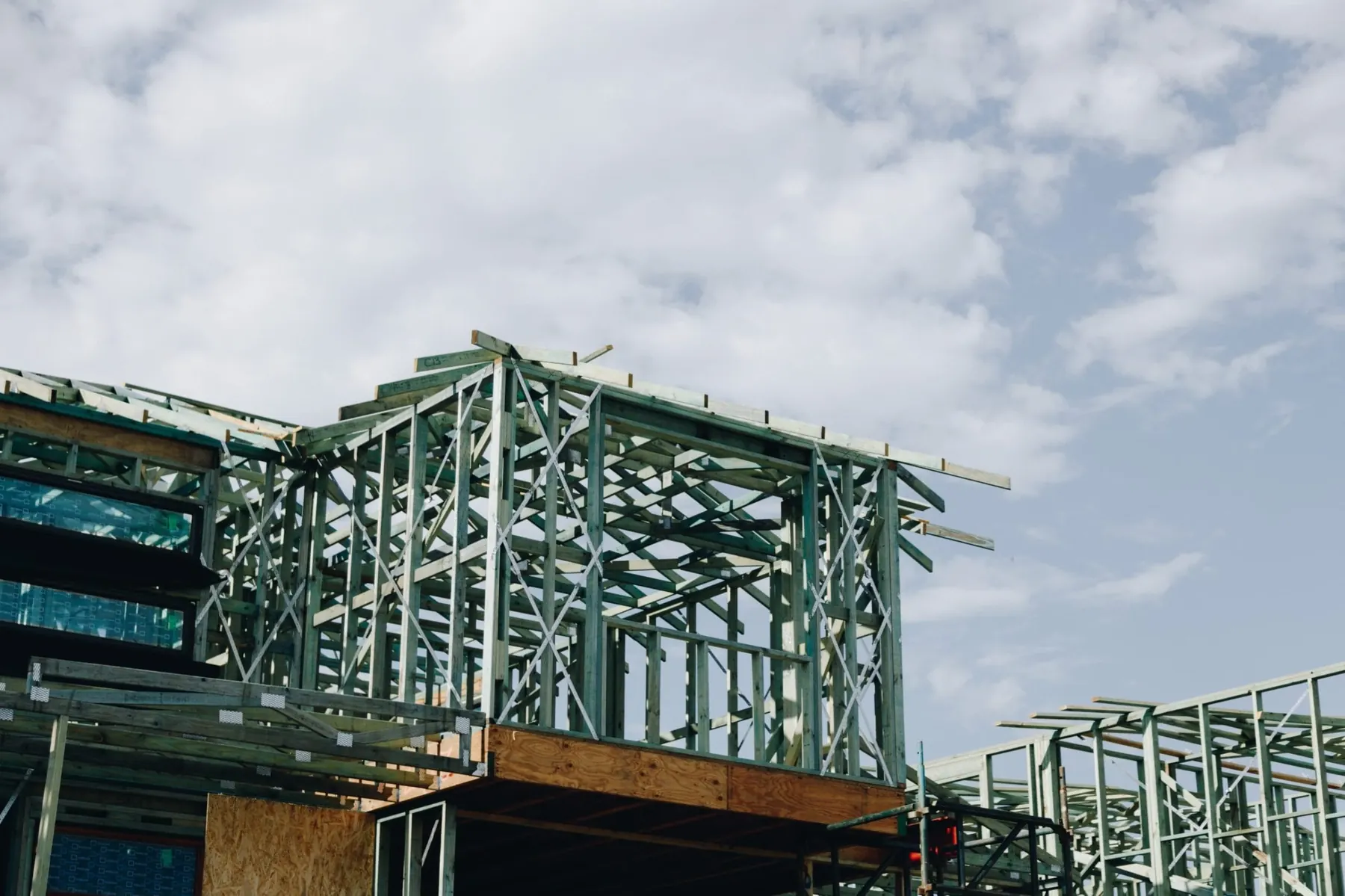
When the framers finish, before bricks arrive.
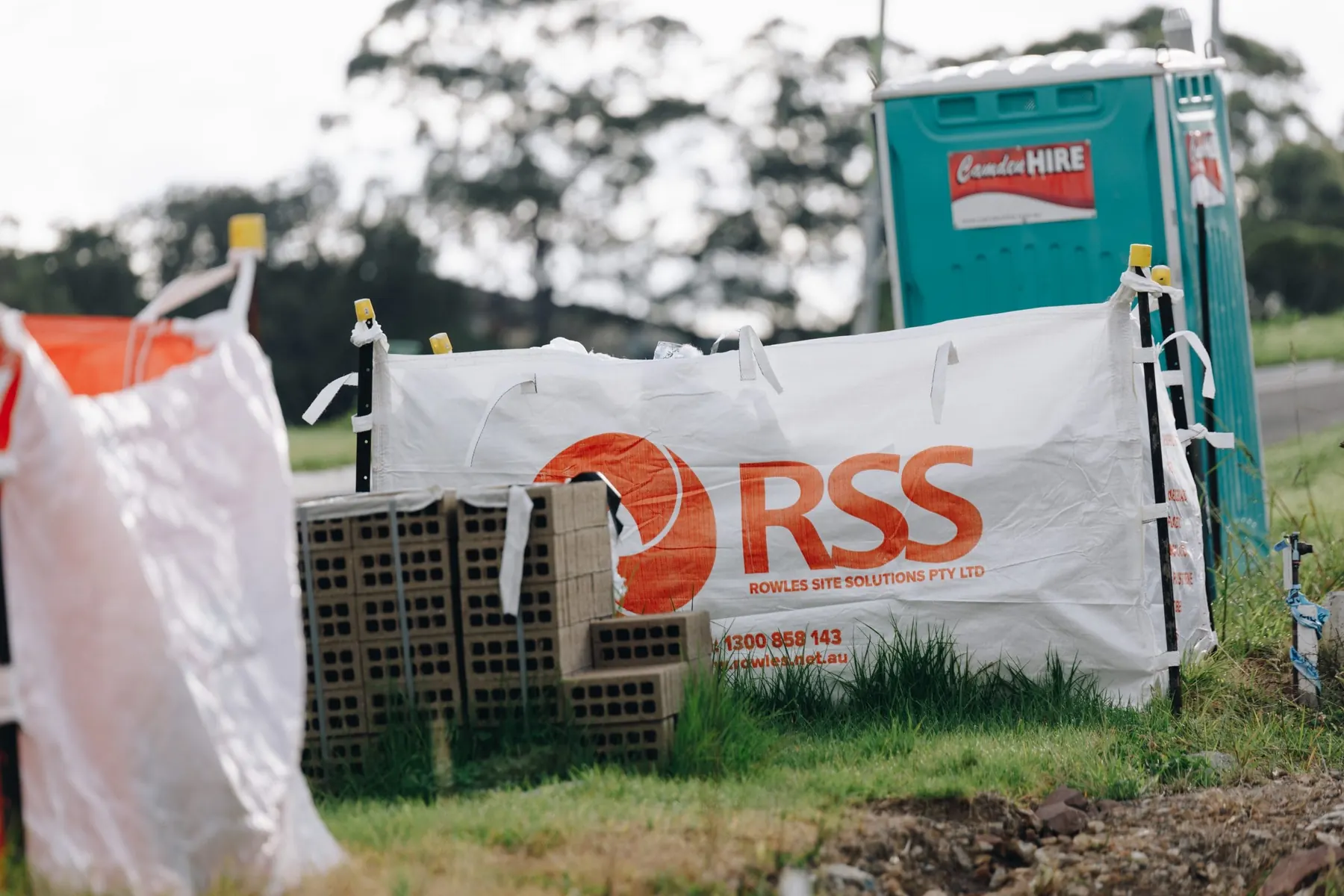
Bag 1m³ masonry bags placed by the scaffold
Stage 03
Once the scaffold comes down.
Bag Fresh bag moved closer to the front entry
Stage 04
At lock-up, at the supervisor's request.
Bag Plasterboard and cardboard streams
Stage 05
At handover to the landscaper or owner.
Bag Site handed over clean
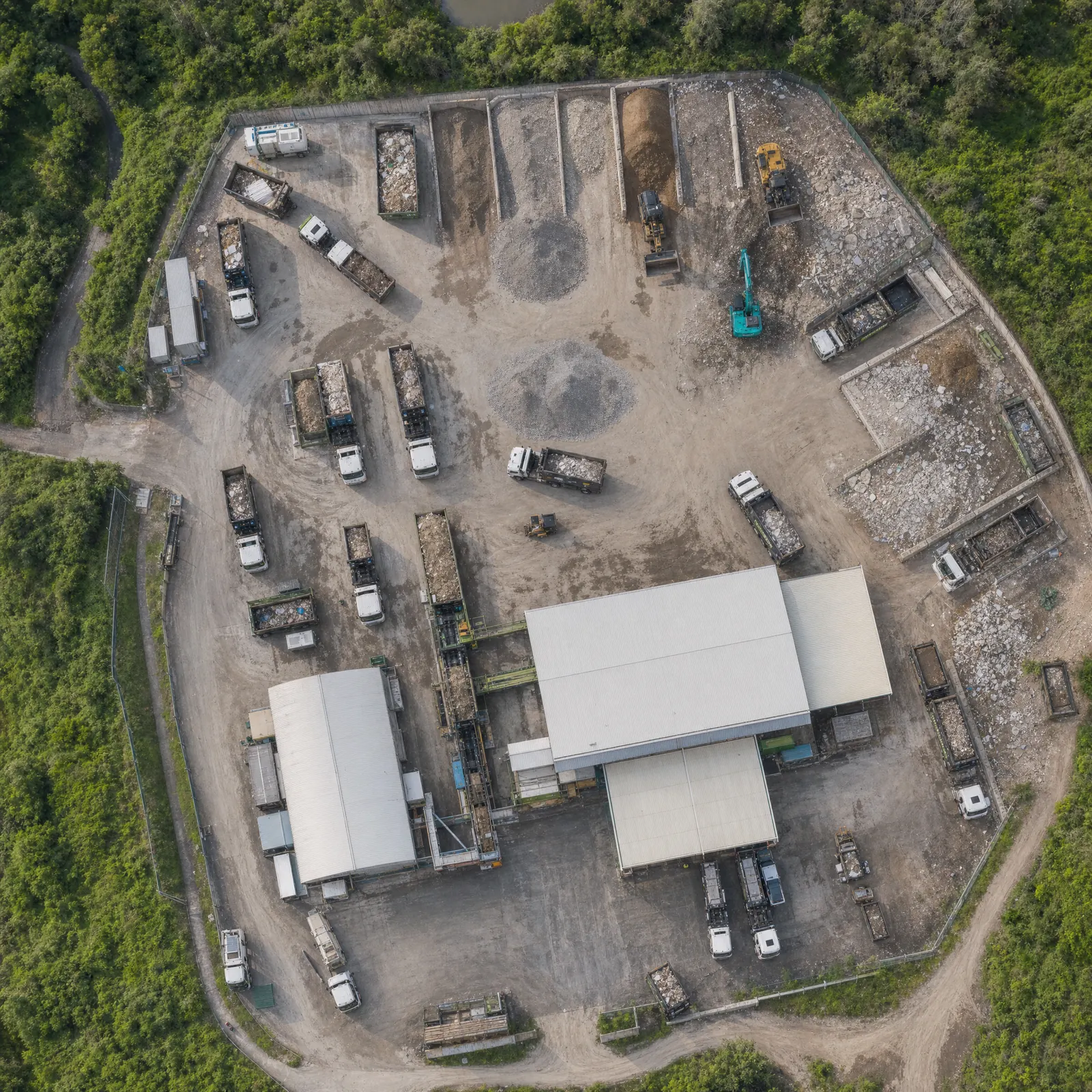
Every load goes to a purpose-built facility where it is separated into streams: brick, concrete, timber, plasterboard, steel, tile and cardboard. Then we report back to the builder on what was recycled.
What we recycleWaste is separated on site before it can be contaminated, then sorted again at our facility. It costs about the same as skip bins.
Asbestos and hazardous materials need a licensed removalist.
Regions right across NSW and the ACT, including the Hunter, Sydney, the Central Coast, the Illawarra, the South Coast, the Southern Highlands and Canberra. Forster, Taree, Port Macquarie and Coffs Harbour are next.
At least three days to schedule a job. Urgent jobs are possible, and a call-out fee may apply.
No. Hazardous material and asbestos need a licensed removalist.
Mainly brick, concrete, tile, timber, plasterboard, steel, cardboard and plastics. Waste that cannot be recycled is disposed of responsibly and in compliance.
It costs about the same as skip bins, with five site cleans included and a known cost per build.
Yes. Reports showing the percentage recycled, reused or recovered can be produced for any project.
We need the site plans, the purchase orders and three days' notice.